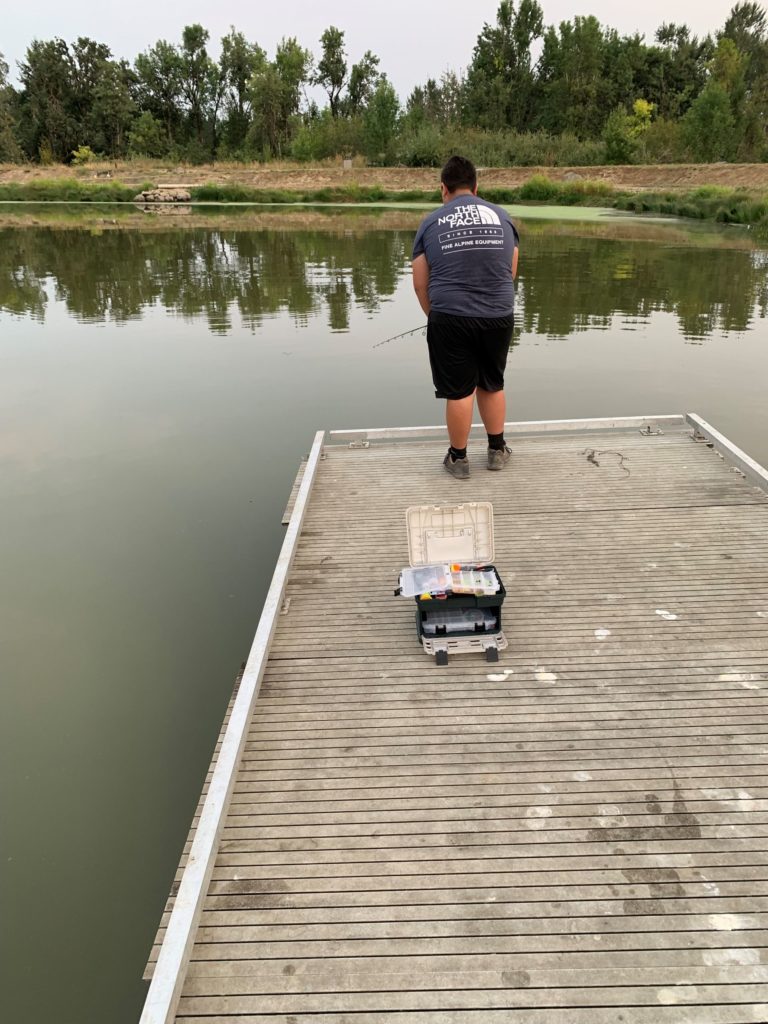
Let’s hope that caps the week of food with more food. When I was a kid, I was so excited for opening weekend of deer season. When I was a teenager, I used to dream of when I was older, I could spend more time in the woods. Now that I am here, I hope to get out once in the season. This isn’t going to be the weekend for hunting but I will spend some time with my family fishing.
I talked about this a few weeks ago when I was talking about the decline of the outdoorsman. While my dad didn’t spend months straight in the woods, we did split hunting and fishing about equally. He always has owned a boat and we would go out at least once a year. He would take a fishing trip with his friends usually around Father’s Day. We used to go salmon fishing as kids. So, I like fishing too.
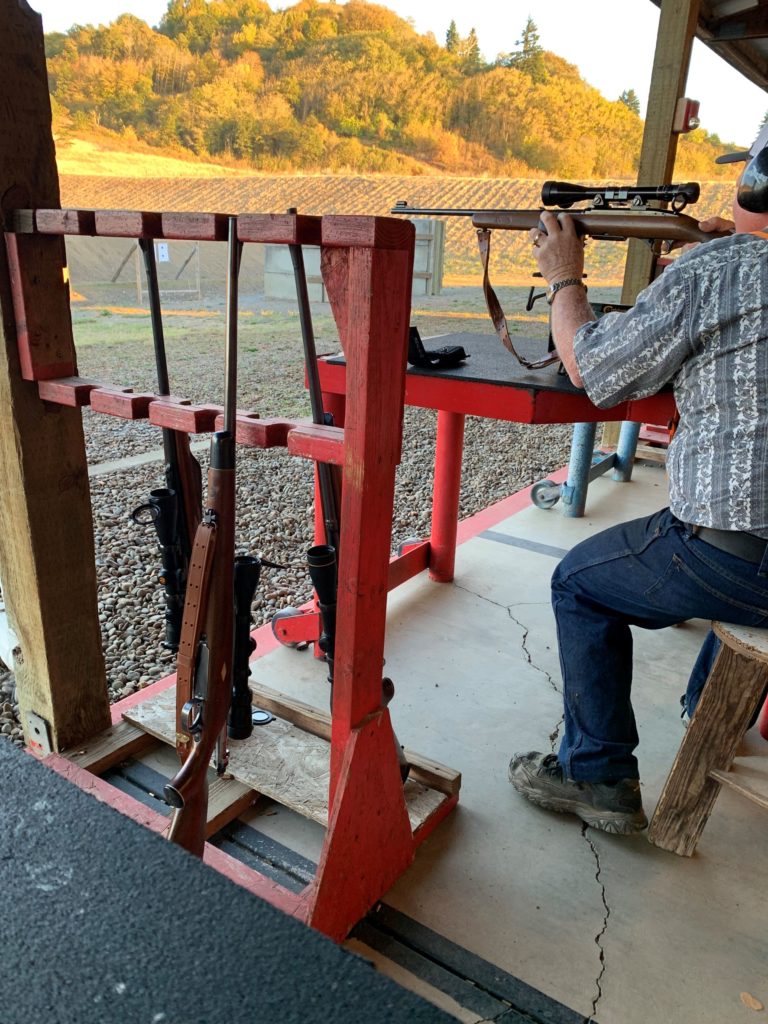
Since my dad has retired, we have been applying for draw tags in eastern Oregon. We get them about every three years. Since we won last year, this year we didn’t and decided to go fishing instead. I have applied every year for the last ten years. But I have only gone one time even though we have gotten tags three times. We did get his rifle sighted in last Friday however.
When I left my job in South Carolina, I moved back to Oregon and joined the company that my dad had worked his entire career. I remember talking with my uncle and he said “That’s great. Now you can have lunch together every day.” I remember feeling a little guilty that I barely saw him, let alone had lunch. And to some degree, I carry some of that guilt today. We live about twenty minutes apart and yet it will frequently be months in-between talking.
I do believe that the quote “For this reason a man will leave his father and mother and be united to his wife, and the two will become one flesh.” applies here. But I can’t help and think that there isn’t something slightly wrong with me. If I get truly personal, I am overwhelmed by the size and volume of my wife’s family and when I am not in that I want my personal space.
The events over the last six weeks have definitely had an impact on me. I have seen my parents aging, I have seen the slight decline in physical ability and I know that the horizon is in view. It definitely has gotten me thinking about trying to spend more quality time while I have the chance to do it and I need to be more aware of the signs of decline.
My brother, dad and uncle left yesterday. Me being a single parent right now, I couldn’t swing the time off, I was hoping to leave tonight. but my kids have to play pep band at the football game tonight. So, we will have to settle for Saturday and Sunday. We didn’t do any family camping this year and I have never gone with my kids and without my wife but I am really looking forward to it.
End Your Programming Routine: I don’t really care if we catch any fish although I think it is likely we will. The weather is supposed to be pleasant and I have a good time with that crew. The point of this is to spend some time together doing something we enjoy. It is looking like next weekend is out, but I am still going to get some time in the woods this season before it ends.

Recent Comments