This series has been long anticipated by me. As I mentioned last week, I have been reading this book for quite a while. This particular section I read months ago and so I had to go back and refresh my mind about what specifically happened. As always, this is not going to be a book report but an analysis about how this book is relevant in our current lives. That is what makes a true classic anyway. In case you are not reading along, I will start with a short summary.
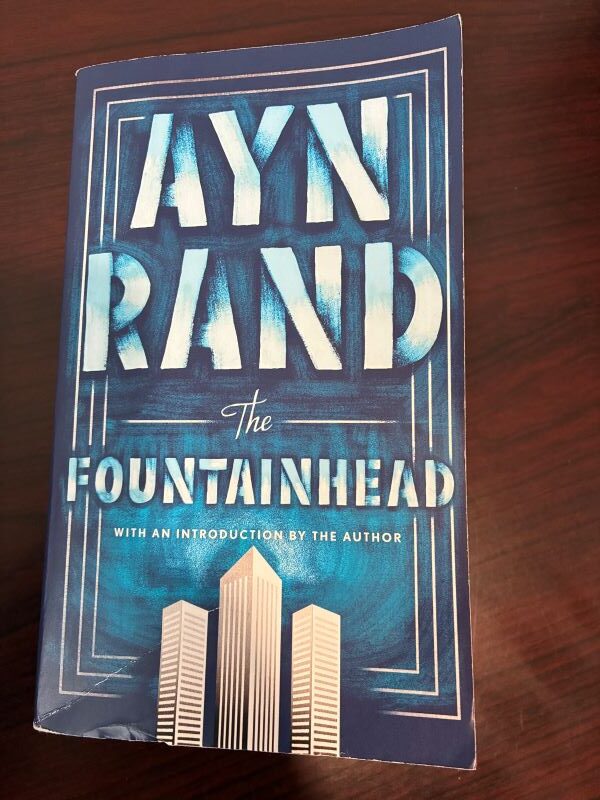
The book starts with the introduction of the two main characters. One by the name of Howard Roark who is an idealistic, architecture student and the other is the Peter Keating who is the star pupil. It is recognized that Roark is the more talented of the two however he refuses to modify his ideals regardless of the consequences. This leads Roark to get kicked out of school and have difficulty finding employment without credentials.
Keating on the other hand seems to have no qualms about delivering what is asked. This includes a propensity to go against his grain even if it is in contrast to his own inner compass. Keating recognizes that Roark is in fact better at his discipline than he is and it drives him crazy that he will not apply it to the ‘common good’. That is winning project work regardless of his design sensibilities and principle.
As they both begin their careers, Keating move up at a rapid pace. Some of that is his ability but there is also a component of win at all costs. This manifests itself as deceit and manipulation. Roark on the other hand stays attached at the hip with his mentor Henry Cameron. Because his aesthetic sense is not popular, it becomes his financial ruin and Cameron gives up his practice leaving Roark out on a limb with no job or prospects.
There are a number of other characters that are introduced into the story that I will simply just introduce the primary ones for now for possible reference at a later point.
- Guy Francon – Peter Keating’s benefactor and employer
- Catherine Halsey – Peter’s Girlfriend and safety net
- Ellsworth Tooney – Catherine’s uncle and renowned art influencer
At one point in my life, I was a member of the Brewers Association. I was having an issue with my chemistry career and I was seriously thinking about opening some kind of craft beer establishment. It came with a magazine and industry information and I remember reading a opinion piece. It went something like this.
I am a degreed and experienced brewer that owns and runs a brewpub establishment. When I make beer using malt extract it comes out better than starting with grain. So this is what I make and serve. Does this make me any less of a professional beer maker?
For those of you not in the know, malt extract is the condensed form of wort (or sugar water). It is considered a short cut in the brewing process and it very common in homebrewing because it reduces the amount of equipment and time required to brew beer. Suffice to say, I could read the angst in the question because it was clearly a chink in the questioner’s ego.
Keep in mind that this kind of dilemma is pre internet forum or social media. This would be the kind of thing that today you would read about in Reddit or similar. It is also the kind of question that would come up in a new or isolated or enthusiasts environment. Rest assured that if SAB Miller thought it would save them money, they would start with malt extract as well. Mind you, I know nothing about their operations and so this is not an accusation. I am simply saying that working with the largest food companies in the world, there is no room for ideals such as starting point conflicts.
For a lot of my career, I have had the distinction of working with and mentoring many younger associates. What I have observed is that school is full of ideals. That could be the ‘best’ way to program or engineering means to do things in this way. This often times leads those associates to end up having a conflict between what they believe to be true and the way that things really are. Academia often is oriented towards research and the purity of the process whereas business is primarily about the bottom line.
I myself have never had these kinds of moral questions mentioned above because I don’t really think that they matter. It doesn’t mean that I don’t have principles it simply is the result of my pragmatism. Does the code do what it is supposed to do? Is it reliable? Is it supportable? After that, technology choices and ways to do it are preferences, not principles.
One last anecdote. I was a year in with a former company and another co-worker of mine was lamenting that every day working here he was losing his programming skills because the technology curve was several years behind. What I said to him was that he would have to make a choice. In our current field, this was cutting edge; not the technology but the application of it. If being at the bleeding edge of technology is important, then it would be best to find someplace better to apply skills.
End Your Programming Routine: I want to make sure that I am not misunderstood, principles are very important. I think that many times people confuse principles with preference. It really depends on how you frame those principles and I am not advocating for justification. That often translated to a failure of leadership but that is a totally different story. Know what you believe and why. Then you can apply what you are doing against that lens.
Recent Comments