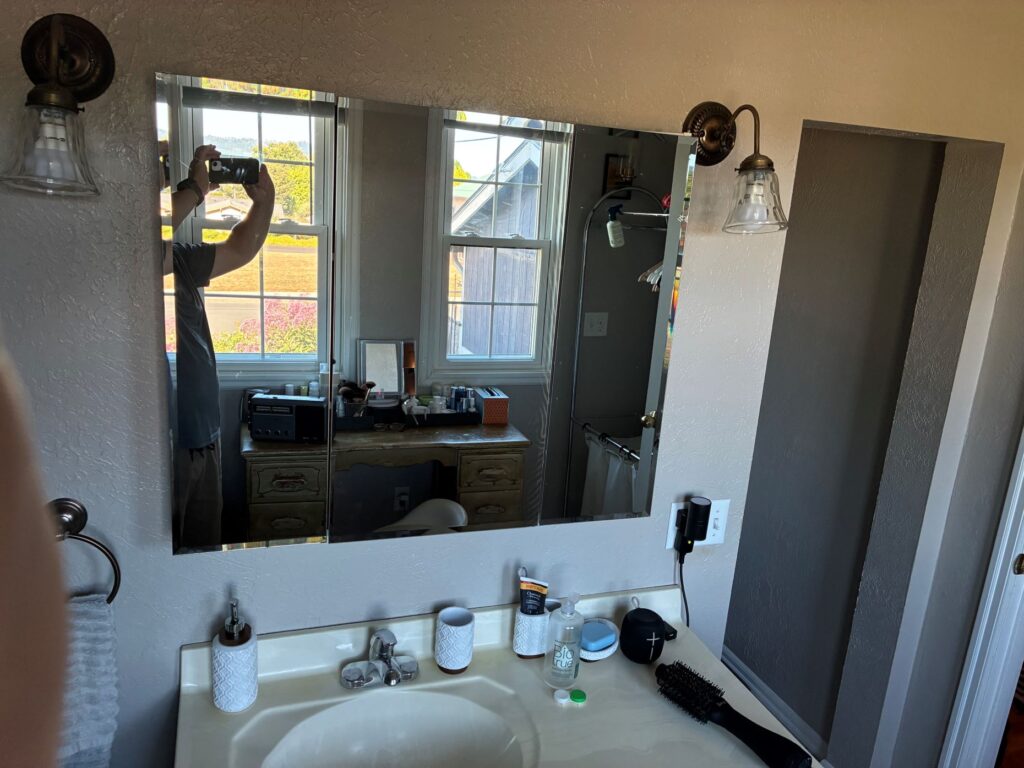
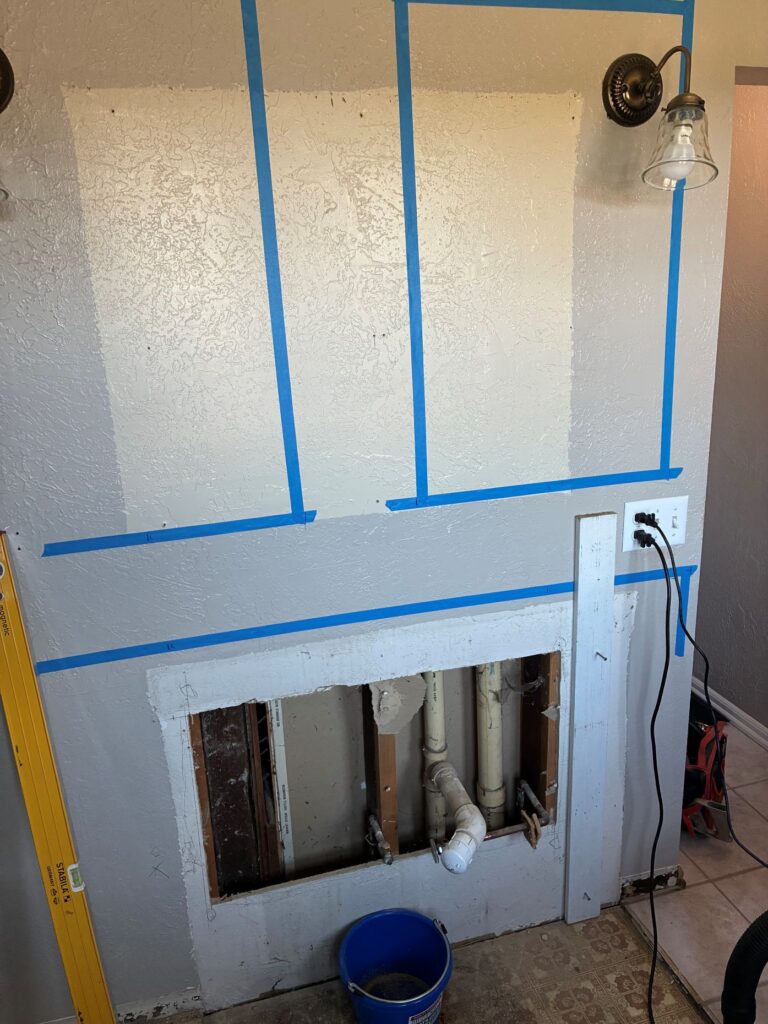
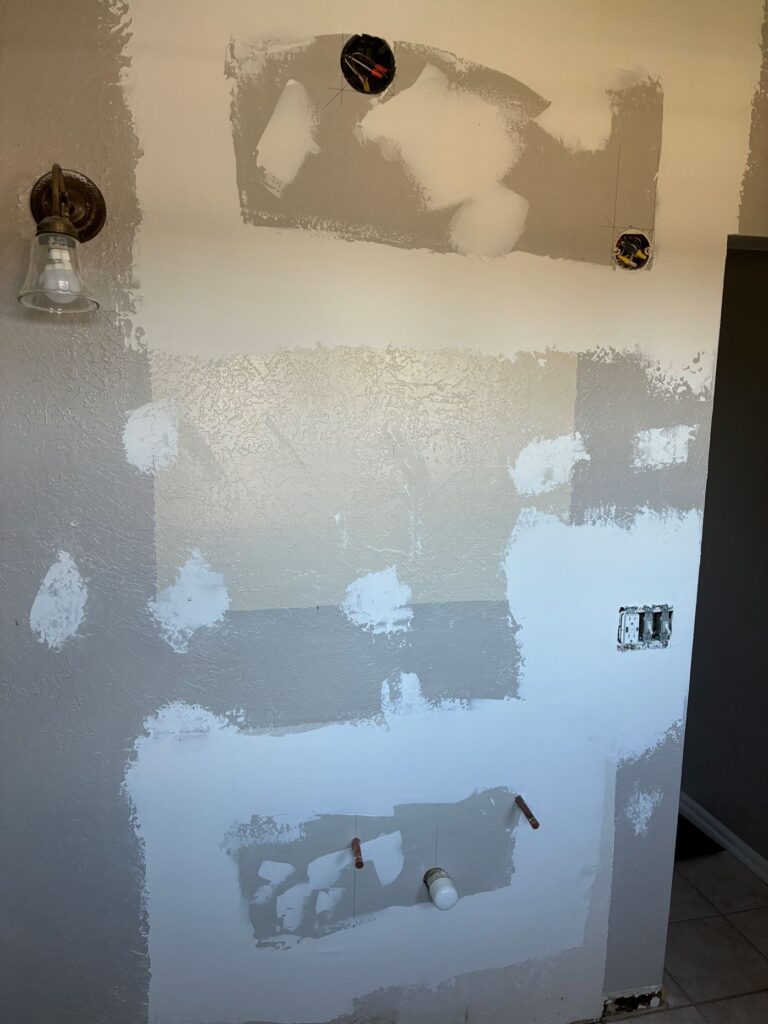
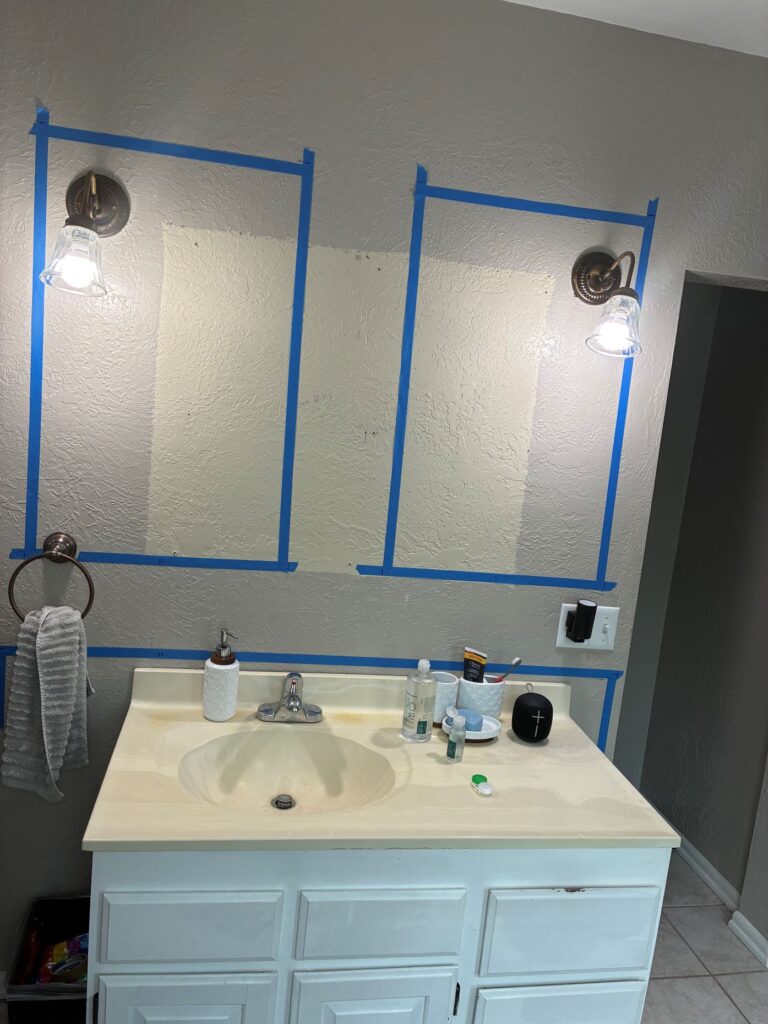
I am on the ragged edge, I finished reading this week’s reading with one day to spare last week. I technically had time to complete this entry but I was too busy to be able to write. It is funny that three weeks ago my mind was occupied with organizing my sporting goods and backpacking area and planning my hunting season to the only thing I can think about is this bathroom refresh. It has caused me to be thinking, scheming and working all of my waking hours. Because my mind was consumed, I had to do a heavy refresh on the content.
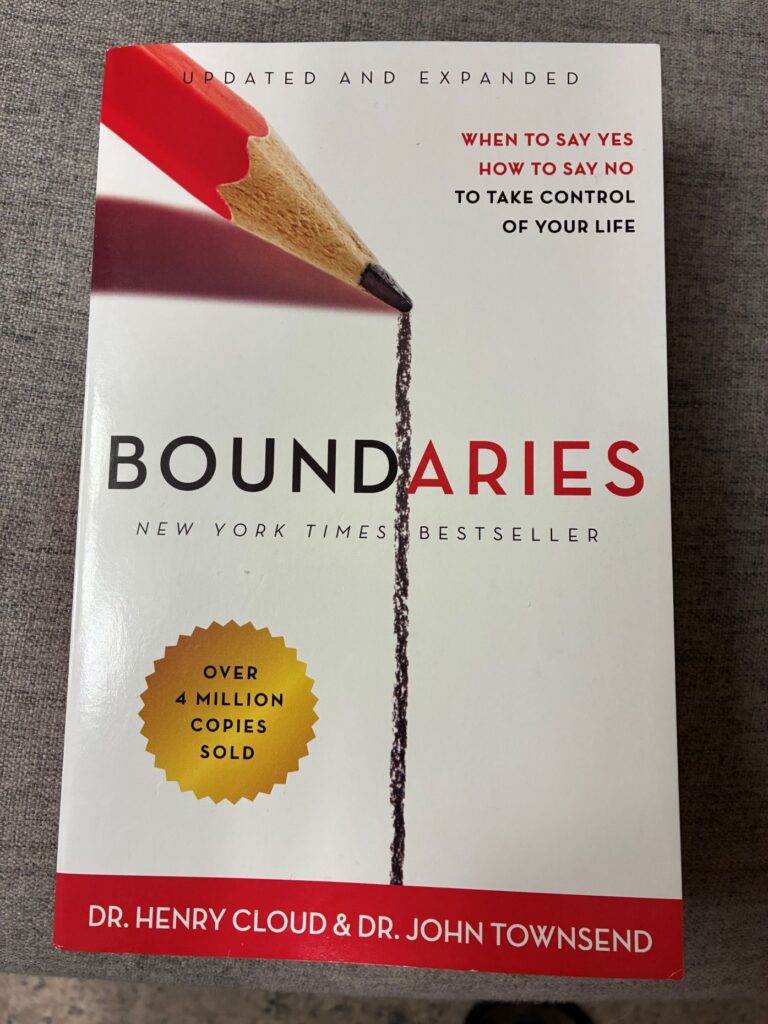
In theory, we have made it through identifying what boundary issues look like and what those issues are. This week we have moved on to doing something about it. Of course, before you can do something about it then you have to understand why you would not. Chapter fifteen is all about why you would not or struggle to set boundaries.
I haven’t been in this exact situation so I am using speculative language. But imagine that your partner is an abusive alcoholic. What might be preventing you from putting up boundaries is fear of repercussions. What if they hurt me? What if they hurt themselves? It is a pretty compelling excuse not to push boundaries.
The book breaks these resistance reasons into categories of external and internal. External resistances are things that others do as a result of us wanting to set boundaries. Those would be things such as anger, guilt, consequences and physical resistance. Internal resistance would be things like human need, guilt and fear of the unknown.
I know that I have been guilty of both internal and external resistance. The first and most significant hurdle for me is always internal. I do a lot of thinking before acting and that has a habit of building up in my head. I also tend to be way more passive then most others and I rationalize that I will ‘put up’ for a certain amount of time. What I don’t really realize is that action of ‘put up’ also tends to build up. It also feels like after I have put up for a certain amount of time that it then seems insignificant or too late to bring up boundaries. What a mess.
It is all well and good to have a bunch of new information and potential skills, but how do we know that we are making progress in our new boundary filled lives? This is what chapter sixteen is all about. I would simplify the chapter by saying that there is a progression of life becoming happier and more fulfilled. To be a slight more succinct, you find yourself gravitating away from the boundary violators and more toward like minded people. While boundaries are becoming solidified you start moving towards more personal freedom and satisfaction.
I often wonder why I have a tendency to live and let live. In contrast, there are others in my life that insists on intervention and confrontation. Both have their virtues for sure, but I am probably way too laissez-faire. On the other hand, I find this other person way to contentious. But, when the two are effectively combined, probably the right outcome. The way that I rectify my attitude is that my boundaries with others are well established. And what I mean by that is that I am content with where I am at.
This is not to say that I have a good grasp on all boundaries. Because I am hands off and this other person is confrontational, it often leads to conflict. While I have previously seen it as borderline bullying, I have come to understand that I have not setup good boundaries with this person. The confrontation doesn’t come from a bad place but a place that is comfortable and normal. Effectively communicating better ways to address issues is really on me. As you can see, I put up with it until the situation is over and then we move on again, not solving anything.
There is an old folk saying that I will paraphrase. Never measure with a micrometer that is marked with chalk to be cut by an ax. Setting boundaries is one thing but seeing them in motion and feeling better takes time. Many times we are often so busy fighting the battle that we don’t even realize that we have made progress. We have to use the right tools and perspective for the situation. That also requires some grace.
End Your Programming Routine: Now that we are 2/3 of the way through Developing Healthy Boundaries (section 3), I feel like this section is a bit of a misnomer. Chapter fifteen was all the reasons that we struggle with boundaries and I feel like a lot of this was covered earlier. Chapter sixteen was a mythical outcome of successful boundaries. I am no expert but I suspect that the path can take many forms and still be successful. Next week we will finish Boundaries and the following week we will be starting Mere Christianity by C.S. Lewis.


Recent Comments